
Early signs of perimenopause in your 40s
Gritz Knowledge Centre · Shelf 2: Menopause · 28 November 2026

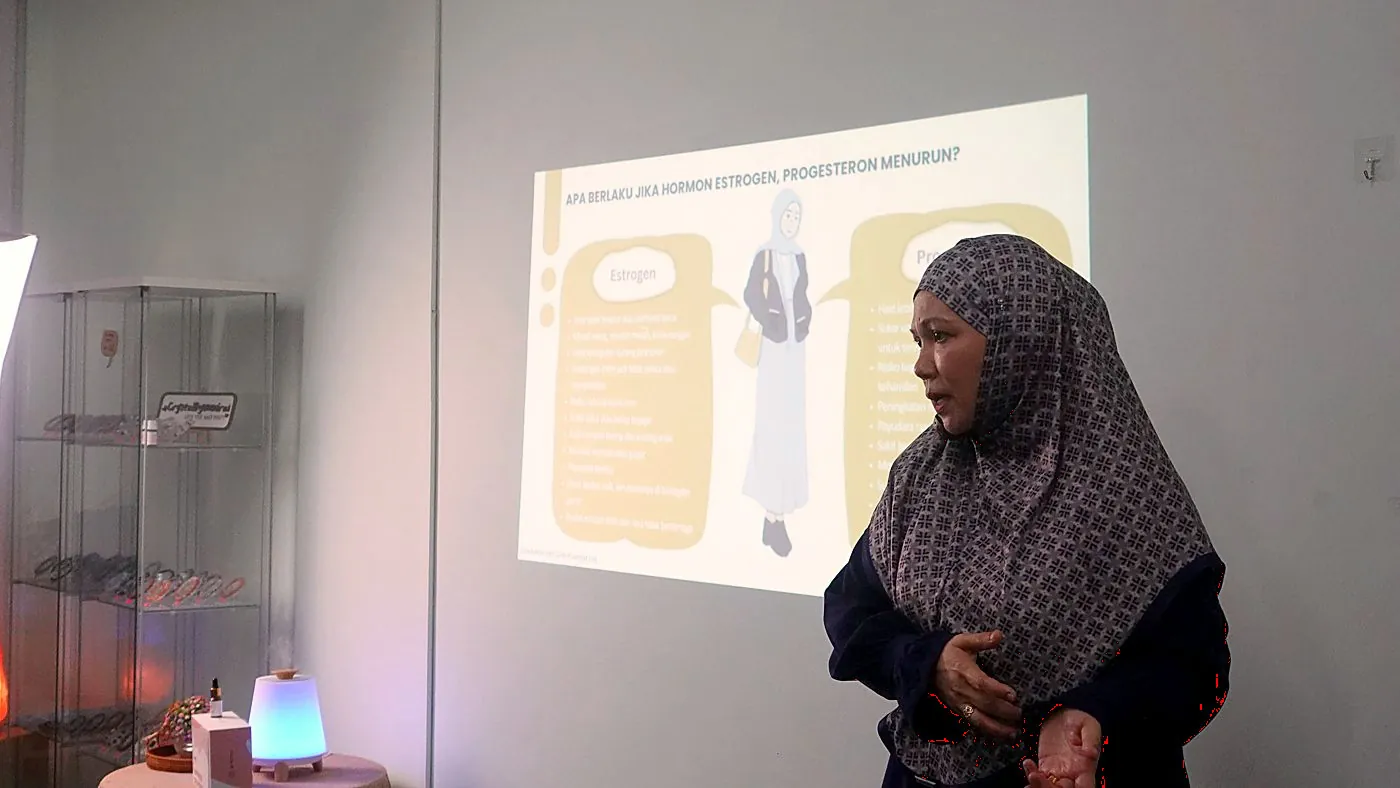
Perimenopause is the transition before menopause, and for most women it starts in their 40s. The most common early signs are changes in your period (closer together, further apart, heavier or lighter), sudden hot flushes, poor sleep and mood swings. They happen because oestrogen and progesterone start to rise and fall unevenly.
What perimenopause is
Think of a woman's hormones as a light that has always shone steadily. In perimenopause, the light starts to flicker: sometimes bright, sometimes dim, before it finally goes out. That flickering is what makes your body and mood feel different from usual.
Menopause itself is only counted after 12 months in a row without a period, usually around age 50. The perimenopause before that can last several years.
10 early signs many women go through
- Irregular periods. Cycles get shorter or longer, bleeding heavier or lighter. This is often the first sign.
- Hot flushes. A wave of heat rising to the face and chest, sometimes with sweating and a racing heart.
- Night sweats. Waking up with damp clothes and pillow.
- Poor sleep. Trouble falling asleep, or waking early and not getting back to sleep.
- Mood swings. Irritable, tearful or anxious for no clear reason.
- Fatigue. Feeling tired even without heavy work.
- Poor focus and forgetfulness. Many people call it "brain fog".
- Weight gain around the belly, even when eating habits have not changed much.
- Vaginal dryness and lower desire for intimacy.
- Joint aches, dry skin and thinning hair.
Every woman is different. Some feel only a few signs, others feel almost all of them.
What you can do
- Track your periods and symptoms on your phone. These notes help a lot when you see a doctor.
- Protect your sleep. A cool room, light sleepwear, and no caffeine after the afternoon.
- Move every day. A 30-minute walk helps sleep, mood and weight.
- Eat enough protein, calcium and vegetables to look after your muscles and bones.
- Talk to your husband and family. When they understand what is happening, support comes more easily.

When to see a doctor
See a doctor if your periods are so heavy you change a pad every hour, last more than a week, if you bleed between periods or after sex, if you bleed after 12 months without a period, or if symptoms disrupt your work and home life. A doctor can explain your options, including hormone therapy (HRT).
Watch: EP10 Bonda Rita Omar: The Dark Side of Premenopause (in Malay)
More videos on our YouTube channel: Gritz Essential Oils.
How Gritz can help
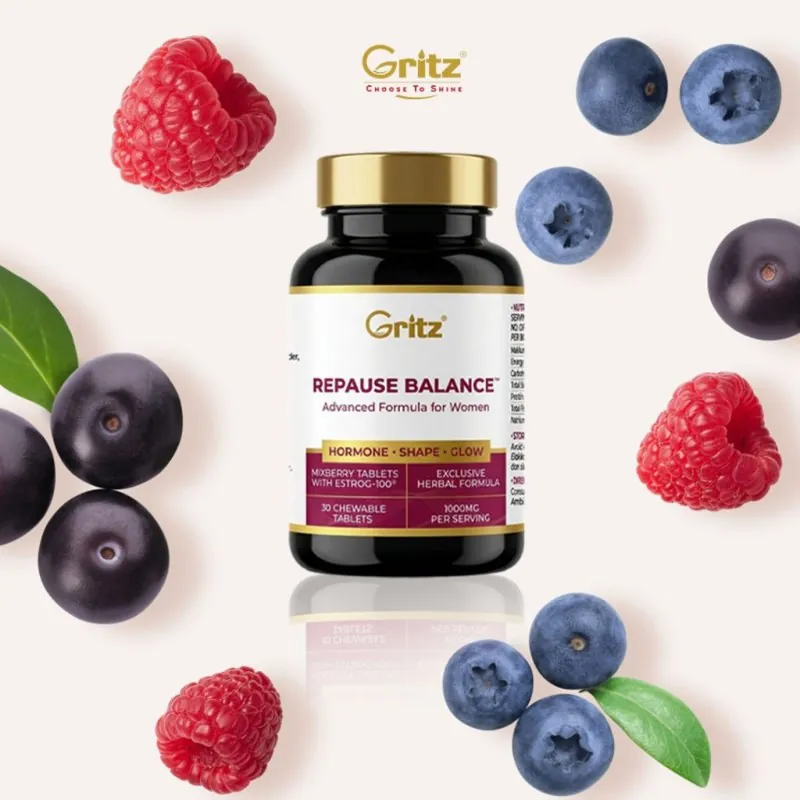
Our founder, Bonda Rita Omar, went through this stage herself. That experience led to RePause Balance, a mixberry chewable tablet with EstroG-100®, marine collagen and Morosil™, formulated to support women going through hormonal changes. For a calmer routine, many pair it with 7 Wonders essential oil.
- An RM10 voucher goes straight into your account when you join Gritz VIP, for free.
- First order of RM100 or more: add Peppermint Essential Oil 10ml for RM9.90 (usually RM69).
- First order of RM200 or more: also add RePause Balance 1 bottle for RM39 (usually RM129).
First-order offers are valid for 7 days after you log in, while quota lasts. Can be combined with the RM10 voucher.
Also available on Shopee, Lazada, TikTok Shop and at over 260 pharmacies.
Frequently asked questions
- At what age does perimenopause start?
- For most women, in their 40s. Some start as early as their late 30s.
- How long does perimenopause last?
- Usually several years, and it differs for every woman. It ends when you have gone 12 months in a row without a period.
- Can I still get pregnant during perimenopause?
- Yes. Until your periods have stopped for 12 months, pregnancy is still possible. Talk to your doctor about contraception.
- Does every woman get hot flushes?
- No. Many do, but how often and how strong they are differs from person to person.
Read next
- How to quit smoking: a step-by-step guide
- Irregular periods: 7 common causes
- All Knowledge Centre shelves
This article is general information, not a substitute for advice from your doctor.